Third
Wave
Fund


About Third Wave Fund
Third Wave Fund resources and supports youth-led, intersectional, gender justice activism.
Our grantmaking and donor mobilizing advances the community power, well-being, and self-determination of young Black, Indigenous, People of Color (BIPOC) most directly impacted by and best positioned to end gender oppression. We specifically resource grassroots movements that are multi-issue, community-led, and unapologetically queer, trans, intersex, and sex worker-led.
Our vision is a world where ALL people have full autonomy over our own bodies and lives. This means our people are fully resourced and empowered, and no longer need to rely on traditional philanthropic funding. In this world, wealth, power, and all forms of life-giving resources are redistributed and shared. Philanthropy is no longer understood as “charity” controlled by a few; but instead is in the hands of our communities so we can make decisions for ourselves on where to share and invest those resources.

A Letter From Our Co-Directors
Dear Friend of Third Wave Fund,
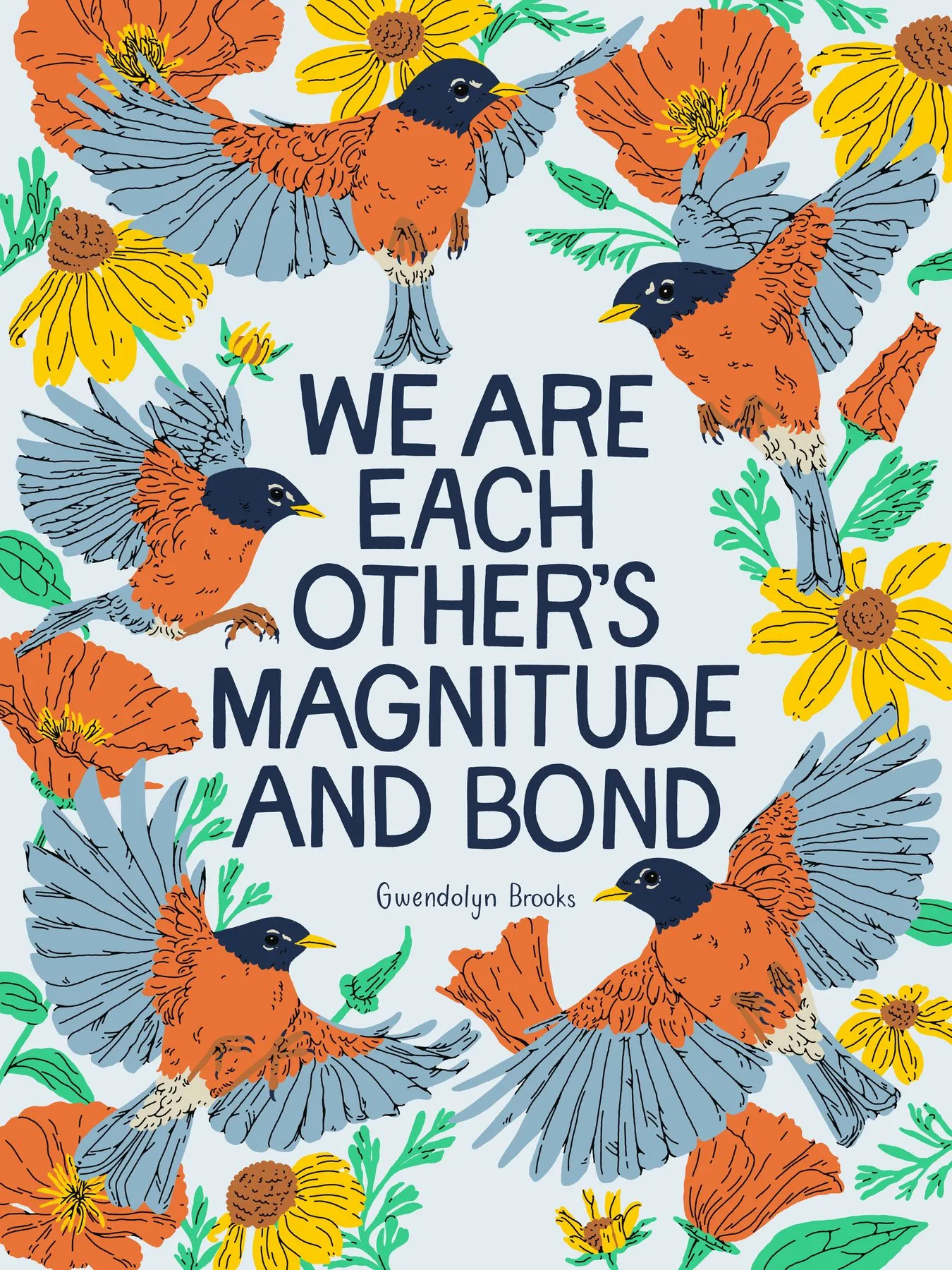
It was poet Gwendolyn Brooks who declared we are each other’s harvest: we are each other’s business: we are each other’s magnitude and bond. Her declaration has remained the call reverberating through our movements for more than five decades—urging us towards each other, ringing as a sacred incantation. We’ve read these words over and over again, and yet they remain.
In a year that marked a time of great political upheaval, we dug our heels deeper. We asked ourselves what it meant to be radically committed in the face of blatant fascists and authoritarian threats. We invited you, our dear comrades, committed individual and institutional donors, and friends, to join us in matching the radical energy of our gender justice movements by resourcing the true capacity it takes to build the world anew.
Alongside you, we continued the critical work of mobilizing resources to sustain grassroots organizers on the frontlines, thwarting attacks on bodily autonomy against people of all genders. In 2025, we redistributed over $4 million to grassroots, gender justice groups across every region of the U.S. and “Territories.” Through 144 grants to 130 grantee partners, we proudly moved more money than ever before to organizers largely overlooked or deemed “too risky” by traditional philanthropy.
From grantee partners securing sacred community space as disabled, queer, and trans organizers in Puerto Rico, to being able to expand geographical reach and train 80+ youth as restorative justice circle keepers in the South, to reclaiming public space through cultural organizing in the Midwest, we have witnessed the wins that take shape when we pour our energy into funding organizers deeply rooted in their communities.
Collectively, we contributed our dollars, organized others to give more deeply, and shared our skills to fortify movements that cannot and will not be easily dismantled. With the support of hundreds of individual donors and multi-year commitments from institutional donors, we were able to respond with strategic urgency and clarity, deepening our rapid response and long-term funding, and trusted the guidance of partners to inform our responsive grantmaking.
Friends—there’s so much more work to do to fortify the roots of our work towards a more liberating present. Our organizations continue to face the retrenchment of philanthropy as institutions buckle under increasing political pressure. Meeting this moment and sustaining beyond it means resourcing the work it takes to make it happen. We’re calling on you to live into the call Gwendolyn Brooks put forth so many years ago:
- Organize your friends, family, and community. Engage in political education and dialogue. The first point of contact in changing the narrative of gender justice takes shape in our interpersonal relationships.
- Trust movements, trust us. Grassroots groups require time and space to build skills and infrastructures that work. When you trust us to redistribute the resources it takes to strengthen community power and self-determination, we build towards our full, abundant, and liberated futures.
- Continue to give. Funding IS POWER BUILDING! Supporting grassroots organizations means sustaining and empowering those most impacted by oppression to be the ones leading the way towards justice. No amount is too small, and no amount is too big.
The roots of our movements run deep. Now is the time to fortify those roots so they can be sustained well beyond the moment we’re in today. We’re ready to continue funding this work for the long haul. We hope to continue seeing you with us for the duration of this journey.
Towards a More Liberated Now,


.png)
Co-Directors, Third Wave Fund
Morgan M. Willis and MARS. Beard
Funding At-A-Glance
Overview
In 2025, we broke the $4M ceiling and moved rapid response and multi-year funding to 130 grantee partners across every region of the U.S. and U.S. Territories.
By Grantmaking Area
Our grants reached grassroots, youth-led and intergenerational groups directly impacted by gender oppression, specifically led by BIPOC and/or people who identify as disabled, experienced in the sex trade, queer, trans, non-binary, and/or intersex.
By Region
We sustained our commitment to moving funds where traditional philanthropy often underfunds and overlooks, moving over $1M to the South/Southeast region where LGBTQ+ organizers are leading the national fight against gender oppression.
Communities Served
Types of Funding
Mobilize Power Fund
Through our Mobilize Power Fund, we were able to redistribute $650K quickly across 60+ organizations facing unanticipated, time-sensitive opportunities, threats, or emergencies to their movement-building.
Third Wave Fund’s Highlights
Our staff, grantee partners, fellow funders, and supporters worked together to advance the life-giving and life-saving work of BIPOC, queer, trans, intersex, and sex worker-led organizers. Here are a few of our proudest moments from 2025.
We exceeded our 2025 fundraising goals and moved more money to movements than ever before.
In a time when philanthropy pulled back when gender justice movements needed us the most, we paid out $4M in grants, sponsorships, and capacity-building support to 130 groups and organizations—including $270,000 more than we initially budgeted to bridge the gap. Additionally, we moved $63,000 to Fellows, artists, designers, and movement-aligned advisors to bolster our strategic resourcing work.
We shared our insight and leadership through guest blogs, podcasts, and spotlights.
From cj davison’s guest blog at NCRP on sex-worker led organizing in the age of respectability politics, to MARS. Beard’s Justice Ain’t Cheap podcast conversation with Bilal Alkatout of Headwaters Foundation on meeting this political moment with hope and action, we shared our latest insights with our movement comrades. Funders for LGBTQ Issues also gave us a shine in their Member Spotlight series. In house, our staff wrote about demystifying donor organizing, what solidarity looks like beyond the checkbook, and how people of all class backgrounds can lock in for the long fight ahead.

We shared lessons and reflections from our Disability Frontlines Fund grantee partners on building accessible futures rooted in community self-determination.
Our largest movements are made up of small groups across the country resisting their material conditions. Whether in living rooms, Zoom rooms, churches, hospitals, DIY spaces, or schools, this is the work that bends the arc of the moral universe towards liberation. We connected with three grantee partners during Disability Pride Month—Autistic People of Color Fund, Long Covid Justice, and Liberating Purple Star Collective—about what they are resisting in their work, what they are building, and what they would like funders to know.
We brought on new staff and launched our inaugural Artist-in-Residence program.
To best continue reaching, supporting, and resourcing our grantee partners, we grew our team and brought on two new staff members—a new Director of Programs to provide strategic leadership and operational oversight for our six grantmaking programs, and an additional Communications Officer to strengthen our digital engagement and reach.
We also piloted a five-month, virtual, paid Artist-in-Residence program with Black, queer artist Chi Nwosu. As a by-and-for community funder, it’s integral to cultivate deep-rooted, collaborative relationships with values-aligned visual artists so our calls to action are clear, far-reaching, and irresistible. We’re excited to be moving forward with our second Artist-in-Residence program running July–December 2026.
We attended conferences and gatherings to connect with our partners and co-conspirators.
Third Wave Fund staff attended and participated in multiple conferences and gatherings in 2025, including Funders for LGBTQ Issues’ Funding Forward, Change Philanthropy’s Unity Summit, Resource Generation’s Making Money, Making Change, and Grantmakers in the Arts’s annual conference. Across these spaces, we connected with our partners and co-conspirators in the philanthropic field, and spoke publicly on:
- how sexual liberation affects our lives, our movements, and our grantmaking;
- how arts funders are missing an opportunity to bolster gender justice movements;
- our continued commitment to increase grantmaking for trans communities through the GUTC pledge;
- our early contributions to Resource Generation, and what solidarity looks like for people with class privilege.
Grantmaking Deep Dives
Third Wave Fund’s Programs staff don’t just cut checks to our grantee partners—they’re building deep and ongoing relationships to support their long-term sustainability. Reporting calls morph into affirmation and networking sessions, networking leads to skill building and additional funding opportunities, and more funding opportunities lead to a better resourced gender justice movement.
In past annual reports, we’ve shared highlights from each of our six grantmaking areas in separate sections. This year, we’re experimenting with a different approach. Drawing on insights from our grantee partners across all of our grantmaking programs, we’re excited to share an interconnected analysis of the current funding landscape – followed by philanthropic calls to action rooted in that analysis.
In this section, you’ll find key takeaways from our grantmaking in 2025. Our takeaways summarize not only what our grantee partners have shared with us on the state of funding for their organizing work, but also keen observations from our Programs staff on what they’re witnessing in their specific funding areas. We share widespread challenges that our grantee partners are facing, and where philanthropy can better show up and commit its dollars. And we share glimmers of hope directly from the intersectional gender justice ecosystem that we so proudly fund.
Organization names have been redacted to best protect our grantee partners’ safety and security.
Key Takeaways
Between the 2020 social justice funding surge drying up and funders “complying in advance” with the current administration, grantee partners are doing more with a lot less—and they shouldn’t be.
In 2020, the pandemic, state violence, and mass uprisings generated a surge in social justice funding that has since slowed to a trickle. This unprincipled philanthropic retreat means many of our grantee partners are navigating a stark reality: doing more with less at a time of escalating need. Across funds, organizers reported increased demand for mutual aid in their communities—housing, food, gender-inclusive healthcare, and basic survival needs—while simultaneously facing dwindling philanthropic support due to governmental crackdown on progressive funding, particularly for LGBTQIA+, Disability Justice, and grassroots-led work.
Groups that once had multiple funding streams are now operating with heightened uncertainty, scaling back their programs, or considering merging or sunsetting altogether. Some groups have already sunset. For organizers in disability justice, transformative justice, and abolitionist efforts in particular, many reported dwindling funding streams, with some naming Third Wave Fund as their only remaining supporter. At the same time, Third Wave Fund has also experienced institutional retreat, creating precarity and uncertainty for our grantmaking work. This moment reveals a deep contradiction: while movements are being called on to hold more, philanthropy is offering less, forcing leaders into impossible tradeoffs they should never have to make.

Funders’ increasing emphasis on “democracy” as a funding priority is pushing grassroots and mutual aid groups to translate their work through neoliberal frameworks that may be misaligned with their values—leaving many without clear or accessible pathways to funding.
A growing philanthropic pivot toward funding “democracy” has created new barriers for grassroots organizations working across mutual aid, abolition, and survival-based work. Many of our grantee partners expressed confusion about where they fit within these shifting funding priorities, especially as resources are increasingly funneled toward larger institutions while sidelining community organizations doing critical, on-the-ground work.
For grassroots organizers—especially those that identify as Black, queer, trans, sex-working, migrant, or disabled—“democracy” is not an abstract ideal, but a daily practice of communities meeting their own material needs, building collective care, and resisting criminalization. Yet, as funders increasingly prioritize “democracy,” they often do so through neoliberal frameworks that are deeply misaligned with this lived reality, requiring organizers to translate or reshape their work in ways that don’t reflect their values or practice. When funders fail to recognize this disconnect, they not only limit access to resources, but also deepen inequities, obscuring the transformative work already happening in our communities.
Everything that works well in our grantmaking began with a transparent relationship and an invitation to co-shape the way we fund.
Across our funds, one truth was clear: the strongest, most impactful grantmaking relationships are rooted in transparency, trust, and co-creation, and grounded in a shared understanding of power, roles, and limitations. Our Programs team also highlighted how relationship-building, including in-person connection and sustained engagement, have strengthened partnerships and made space for more honest dialogue about needs and strategy.
This has meant inviting feedback, piloting new approaches together, and building relationships that extend beyond transactional funding. In many cases, this relational approach has enabled grantee partners to access additional non-monetary resources, deepen their work, and stay grounded amid uncertainty. In a broader philanthropic landscape that often isolates and extracts, these relational approaches offer a model rooted in mutual respect and shared power.
Safety and security threats have shifted how our grantee partners organize—and increasing attacks on community safety have profound effects that impact our movements at large.
Escalating safety and security threats are fundamentally reshaping how our grantee partners organize. From increased doxxing and digital surveillance to heightened policing, state violence, abductions, and criminalization, organizers are being forced to adapt rapidly, often diverting already-limited resources toward protection and risk mitigation. Organizers working at the intersections of immigrant justice, trans liberation, and anti-militarism are navigating heightened risk.
Despite these realities, funding for disability justice work continues to decline, even as disabled, queer, and trans communities are at the forefront of responding to polycrisis and building sustainable alternatives. This disconnect underscores an urgent need for philanthropy to recognize safety, accessibility, and disability justice as core to movement and community survival.

Grief, loss, and burnout are shaping movement work, and sustainability requires a deeper investment in care and rest for gender justice organizers.
Grief is the defining undercurrent of 2025. Many grantee partners experienced personal and collective loss while continuing to lead under immense pressure. This grief does not just appear outside of the critical work organizations are doing, but shows up in every aspect of it. In addition, organizers are navigating chronic health conditions, burnout, and the emotional toll of ongoing crises, often without access to the care, rest, or resources needed to sustain themselves.
And yet, philanthropy continues to underinvest in the physical and mental health wellness of movement leaders. Without intentional investment in care, health, and infrastructure that supports organizers as whole people, movements are at risk of losing not just capacity, but the very people who make this work possible.
Imperialism and militarism are disabling forces across the country—and Puerto Rico stands out for its deep resistance, cultural cultivation, and movement leadership.
Across the country, our grantee partners are organizing resourcefully in the face of imperialism and militarism. These forces are actively harming communities through state violence, economic extraction, environmental harm, and criminalization. In Puerto Rico—whose political and economic conditions continue to be shaped by U.S. imperialism—these layers of violence take on a distinct and intensified form.
Like many nations surviving and resisting active imperialist occupation, Puerto Rico faces structural barriers that shape every aspect of their movement work, including, but not limited to, inaccessible fiscal sponsor frameworks that make it harder for grassroots groups to access and retain resources. Criminalization also operates as a key tool of imperial and colonial control. Targeting Black, queer, trans, migrant, disabled, and sex-working communities, criminalization shapes the conditions under which people can access care, safety, and the resources needed to survive. And yet, across all of our funds, grantee partners are using cultural work as a key strategy to resist and organize.
In Puerto Rico, organizations are reclaiming public space through graffiti, stenciling, and public art that resists gentrification and imperial erasure. They’re also utilizing Theater of the Oppressed to help children, parents, and formerly incarcerated people process grief and trauma, and collectively reimagining non-carceral accountability. More broadly across the country, we witnessed grantee partners building spaces of belonging and resistance through music, storytelling, zine-making, ballroom culture, and indigenous spiritual traditions—meeting material community needs while connecting people to collective histories and envisioning radically different futures.
Together, these efforts demonstrate how cultural work can function as a powerful strategy for reclaiming narrative, growing community, and disrupting the continued impacts of imperialism and criminalization.
Applying a rapid response and multi-year funding strategy continues to be critical to our grantee partners, many of whom are providing timely mutual aid support while also focusing on long-term strategies like housing, policy work, and leadership development.
Our Programs staff consistently emphasize that movements need both immediacy and longevity—yet too often are forced to choose between the two. While rapid response funding allows organizations to meet urgent needs, multi-year funding provides the stability required to build lasting infrastructure, train new leaders, and advance policy and systems change. Across funds, organizers are holding this duality: responding to immediate harm while laying the groundwork for transformative futures, whether through leadership training, housing initiatives, conflict resolution training, or community-based care models.
What has become clear is that sustainability cannot be built in moments of crisis alone—it requires consistent, flexible, and long-term resourcing that trusts movements to lead. Rapid response funding has been critical in moments of crisis, but without sustained, multi-year investments lasting for four to six years and beyond, organizations are left in a constant state of reaction rather than building toward durable change.
Third Wave Fund’s evolving strategies—including multi-year grant structures and now ecosystem-based regional funding—reflect our commitment to flexibility and long-term support as necessary to holistically resourcing movements.
How We Resource This Work
In 2025, many mainstream funders and donors “complied in advance” with the fascist federal regime and turned away from resourcing liberatory movement work. We’re proud to say: not Third Wave Fund, and not our supporters!
Over 500 supporters resourced gender justice with us in 2025!
We are profoundly grateful to the 523 individual donors and 18 institutional funders that stayed the course with us or joined the community in 2025. In fact, thanks to our supporters and our incredible staff, Third Wave Fund exceeded our 2025 fundraising goals and moved more money to movements than ever before.
Our income sources remained varied and sustainable in 2025: Institutional funders made up 52.6% of our income, with individual supporters making up the remaining 47.7%. Of the individuals, 55 were first-time donors, 281 give monthly or quarterly, and 72 were donors with multi-year pledges.
It’s our diverse funding base that lets us make multi-year grant commitments to QTBIPOC gender justice organizers, allowing them to both weather the present and keep building futures of possibility, autonomy, and abundance.
of income comprised of individual donors
of income comprised of institutional funders
donors with multi-year pledges
first-time donors
monthly or quarterly donors
individual donors
institutional funders
Donor Reflections
Third Wave Fund’s supporters are essential to our work, whether it’s contributing financially, signal boosting on social media, or participating in one of our grantmaking panels. Hear from several of our donors about why they’re committed to resourcing gender justice with us.

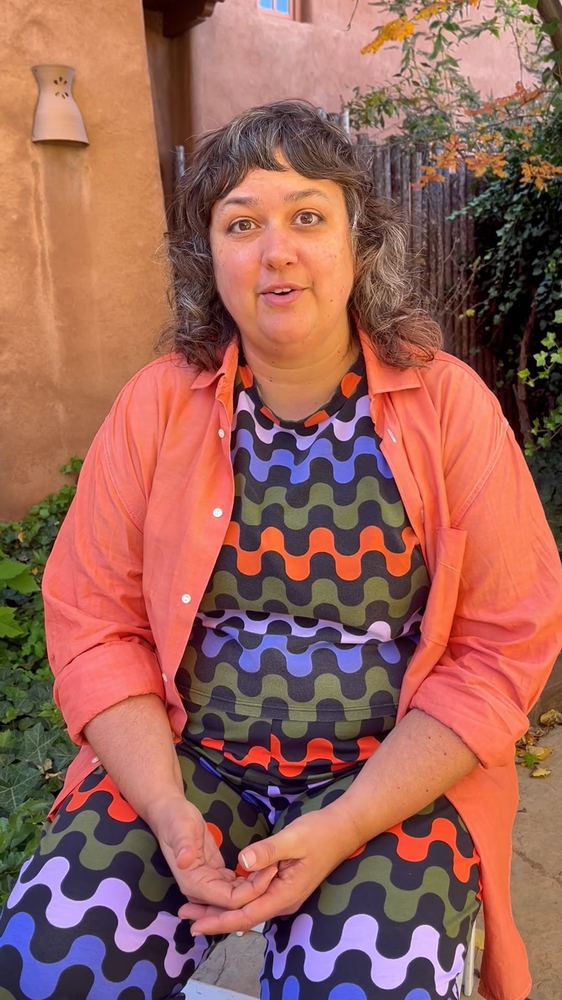
“My name is Katrina Schaffer, and a couple of family members and I seed funded the Disability Frontlines Fund with Third Wave. The reason I did that is because I find it crucial that disability justice is centered within social justice movement work. Because when I think about the vision of the world that I want us all to be able to live in through collective liberation, that world is transformed even further and more completely through a disability justice lens. By not centering disability justice in movement work, it not only leaves out a lot of people from collective liberation, it also leaves out pieces of all of us. So if we want to be fully liberated in collective liberation, then we need to be supporting disability justice.”
Katrina Schaffer
Long-time donor
“I donate to Third Wave because I know that when we combine our resources, and entrust them to people who are on the frontlines of our struggles for liberation, we are so much more powerful, and so much closer to the freedom we all long for.”
Cole Parke-West
Long-time monthly donor
“Wealth came to me, a white, multiply-privileged, cis-passing, straight-passing person, through racial capitalism. By giving to Third Wave Fund, I refuse capitalism’s lie that I know best how to ‘give back’ to the communities that unjust systems extract that wealth from. I entrust decision-making to this brilliant, movement-based, young, BIPOC, intersectional-Black-feminist-led formation working to build a truly just and loving world.”
S.M.
One of our newest donors
Financial Statement
As an intermediary funder, we are committed to funding gender justice grassroots movements at the margins, and to the accountability of how we steward our financial resources. During a time of increased uncertainty due to political repression, Third Wave Fund focused on building critical connections with our individual and institutional supporters to meet this moment.
Our expenses in 2025 ended at $8,036,845, paying out $4,013,894 in grants, sponsorships, and capacity-building support. To meet the critical urgency of moving money to gender justice movements at a time when philanthropy is pulling back, we redistributed over $270,000 more than we initially budgeted to bridge the gap.
In addition to our grantmaking, we made an impact in the field by paying over $63,000 to fellows, artists, designers, and movement-aligned advisors to bolster our strategy of resourcing those fighting on the front lines.
At the close of 2025, we raised over $8.6M to support our efforts to mobilize resources for our movements. During a year when we needed individual and institutional support the most, we remain grateful for continued multi-year funding support. It’s through these commitments that we can show up for our grantee partners.
Savings, Endowments, and Reserve
Six Month Reserve
As a best practice, our fiscal sponsor, Proteus Fund, requires all fiscally sponsored projects to maintain a reserve of six months’ operating expenses (excluding grantmaking expenses). Third Wave Fund currently holds $1.8M as a dedicated six-month reserve.
Endowments and Investments
DataCenter Endowment
The DataCenter, an incredible movement-building research organization that coined the term “participatory action research,” closed in 2017 and donated its assets (about $458,000 at the time of closure) to Third Wave Fund with the agreement that we would use 5% of the restricted endowment to make grants toward participatory action research projects. These are made through the Own Our Power Fund and the Mobilize Power Fund at Third Wave Fund.
Lela Breitbart Memorial Fund
At the time of the closure of Third Wave Foundation in 2014, we had an endowed fund called the Lela Breitbart Memorial Fund, a fund which a donor generously set up when her daughter, an ardent young feminist activist who worked at Planned Parenthood, unexpectedly and tragically passed away.
Total Investments
With our combined investments across the above assets, we have approximately $1.681M invested in an LGBTQ-owned socially responsible fund, an increase of approximately $185k from last year.
Liabilities
Third Wave Fund prioritizes multi-year funding across a majority of our funds. These commitments include funding for a range of two to six years. As a result, we are currently liable for $2.322M in multi-year grant commitments
Net Assets
Our net assets are projected at a total of $8.842M, with $2.1M of that total in Restricted Net Assets. Our Restricted Net Assets include multi-year grants awarded to our organization that are not scheduled to be released until 2026 or later.
Our Budgeting Process
With a staff and advisory council made up of mostly queer and trans people of color with mixed class backgrounds, we know that many of us are not trusted or taught to navigate money matters. During a time of leadership change, we collectively decided that the budget values that informed our 2024 budget are values that will always inform our budget.
Building from that shared level of understanding, we engaged in an iterative process in which staff informed the shape of our budget by advocating for resources that would better support our work to critically resource our grantee partners. In addition to this, we gathered feedback from our Advisory Council to further support the shape of our budget by assessing the financial resources available to our organization.
Words From Our Community
Over the last few months we've interviewed grantee partners and fellows about their experience working with Third Wave Fund, and how it's impacted their organizations and programs. Read or listen to the reflections below!
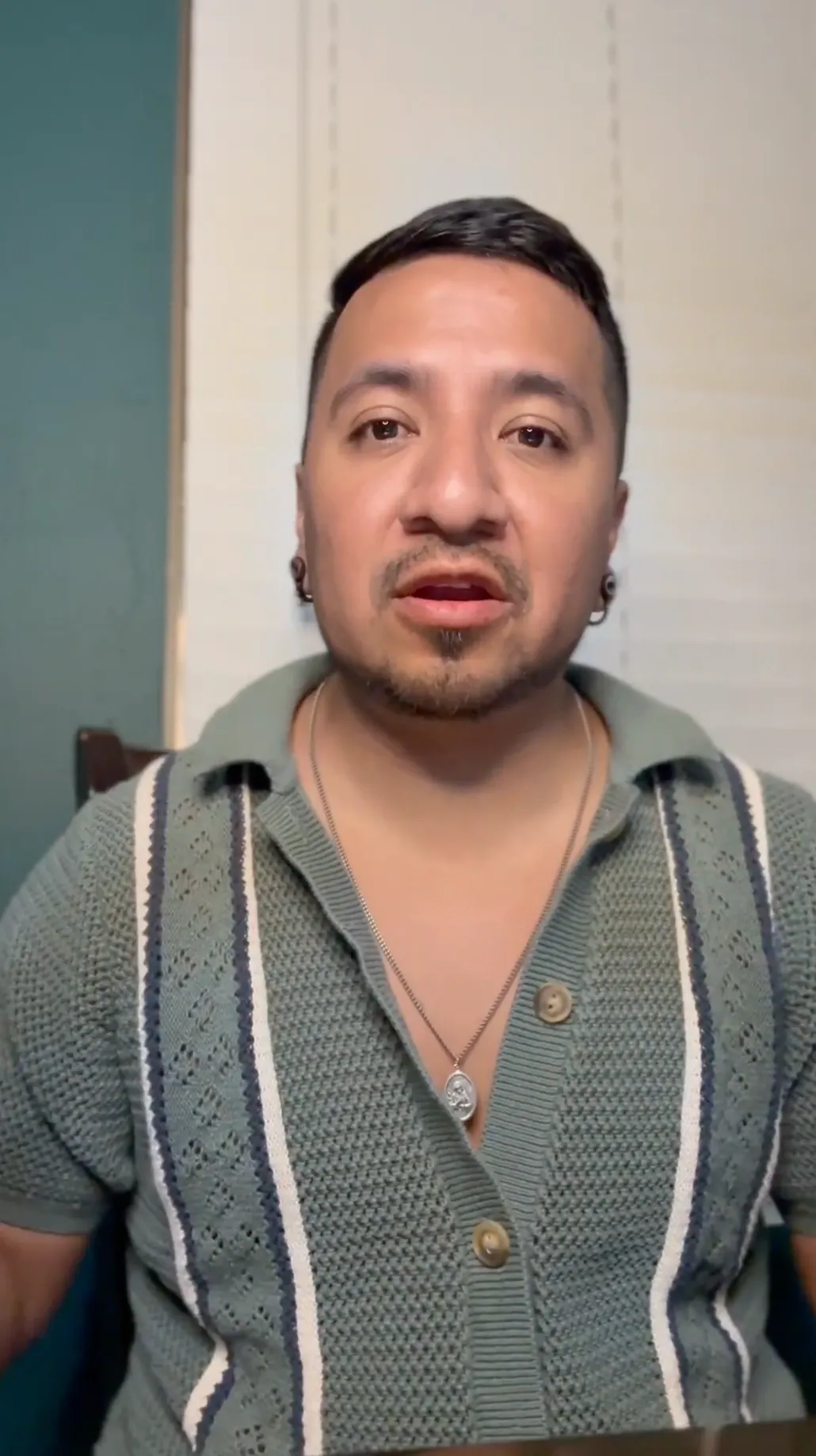
“I’m with Trans Queer Pueblo, an LGBT migrant organization that works where we find our people creating cycles of mutual support that will generate the community power to liberate us from all the systems of oppression, really understanding that safety does not come from the police, it has to come from all of us. So we are building and designing workshops to make sure that all the organizations here locally in Phoenix are able to put security first. What does it mean for us to be radically committed? It means investing long-term in the success of people. Long-term funding is what is needed. What Third Wave [Fund] has done—not just monetarily, but with the connections and everything has given us an opportunity to dream. And I think when you allow people to dream, you allow them to create incredible structures that we didn’t think were possible. And even though everything doesn’t seem to make sense because of the current political climate, we are still building solid structures that will sustain us through this presidency. And that is only possible when you commit to organizations like us. And when you give and trust, I think that’s essential.”
Dagoberto Bailon
Trans Queer Pueblo — former multi-year and rapid response grantee partner
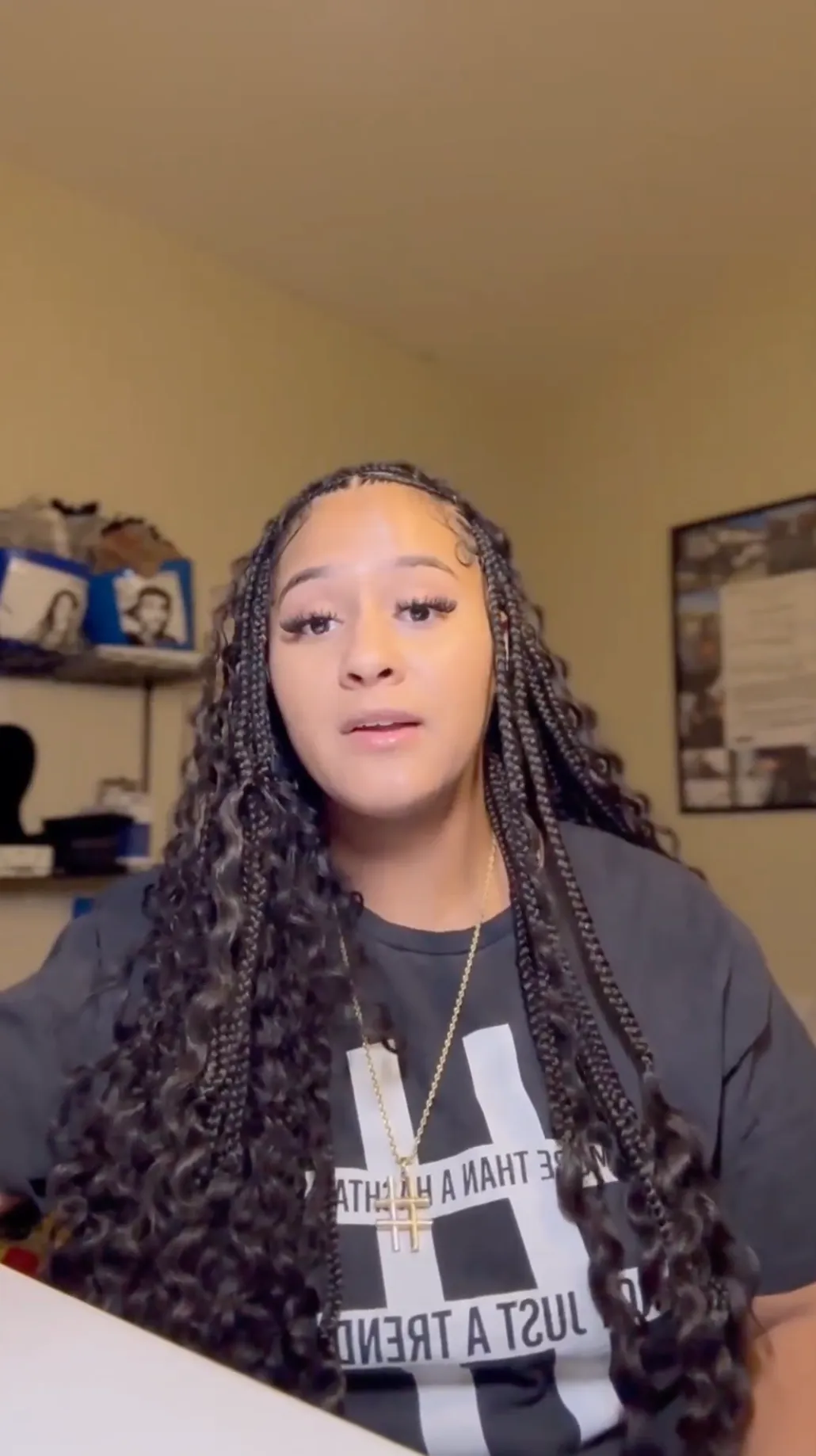
“I am a youth organizer and founder of More Than A Hashtag. Our group is a grassroots, local, small organization, and we don’t get a lot of support in community just due to us having such a radical commitment to police abolition. And we live in a very capitalist, touristy city, and they rely on police to protect that. What does it mean to be radically committed at More Than a Hashtag? More Than a Hashtag is going beyond just a trend or what’s going viral. We are building the infrastructure to create a community where we don’t need police, where we rely on each other, we protect each other, we love each other. And that’s what it takes, right? To go beyond just what’s being posted, what’s going viral at the moment, what’s the current hashtag, and that’s what we try to embody. So when we reached out to Mobilize [Power] Fund and they provided us with monetary resources that really helped uplift and build the work that we were doing here in Vegas—it’s been so helpful.”
Des Smith
More Than A Hashtag — former rapid response grantee partner
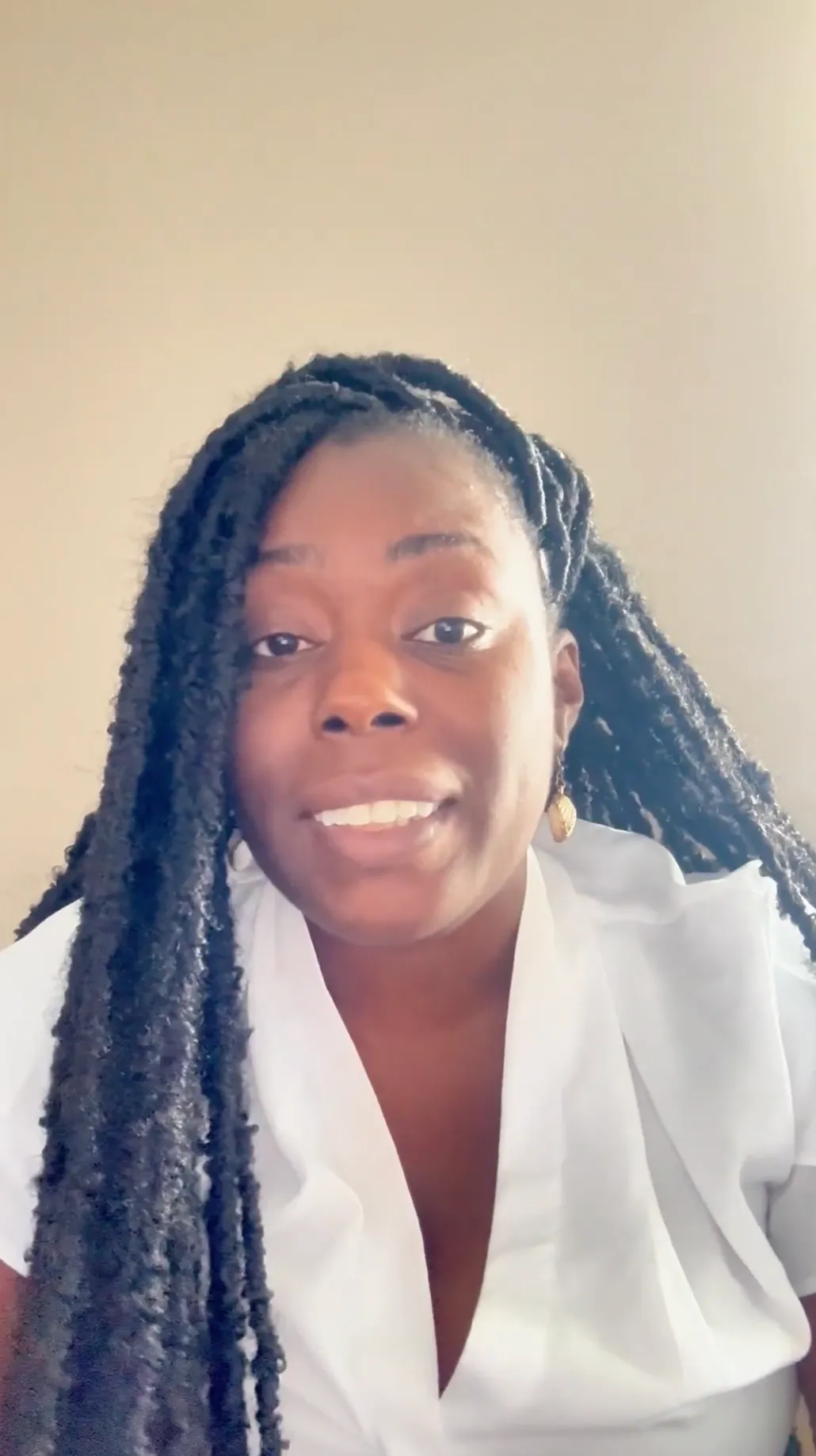
“I am the founder and Executive Director of Fanm Saj. Fanm Saj in Haitian Creole it means midwife and what we’ll say is ‘midwives catch babies and Fanm Saj, we catch communities.’ Y’all see what’s going on in the world. Y’all see what’s going on in society. Our intention in this world is to be able to support folks, to be able to create safe and healthy communities for themselves outside of institutions and outside of really policies, institutions and people that really don’t care too much about our people. So since 2018, Fanm Saj has radically been committed to training folks up. Third Wave [Fund] has helped us to be more committed to our radical imagination by providing us grants with Mobilize Power Fund, with also the Accountable Futures Fund – our funding has grown our budget from rapid response to now multi-year grants. We’re deeply grateful that the imagination of our program officers, and all of those who we’ve worked with has really supported Fanm Saj to really stabilize ourselves, especially in this time. Deep love, deep gratitude to everyone at Third Wave.”
Ruth Jeannoel
Fanm Saj — current multi-year & rapid response grantee partner
“Hey y’all, I am a previous Sex Worker Giving Circle Fellow and facilitator. As soon as I found out that there was an organization literally here to support sex workers across the U.S. I was totally down and wanted to know—where do I sign up? So Sex Worker Giving Circle has opened a lot of doors for me. Sex Worker Giving Circle was the first organization that I personally worked with that was very forthcoming with, okay, we want to make sure that we put those most marginalized, those most on the outskirts of our society, in the center of our framework. When trans women have their needs met, when working class sex workers, survival-based sex workers have their needs met, when they have the things that they need, those who are most marginalized, then that to me is gender justice. Sex Worker Giving Circle is really at the top of my list – I love my SWGC fam.”
Mariah Webber
former Sex Worker Giving Circle Fellow & facilitator


“We need funders to believe in, seek out, and support programs like ours on a long-term basis, especially as social safety nets are being defunded. Even before the current changes, these government programs often left most of our community behind due to inaccessibility, so we are constantly on the frontlines of protecting the lives of autistic POC like us. We need the support and resources to step in where our government has long since abandoned disabled POC.”
Autistic People of Color
current grantee partner
Thank You to Our Supporters

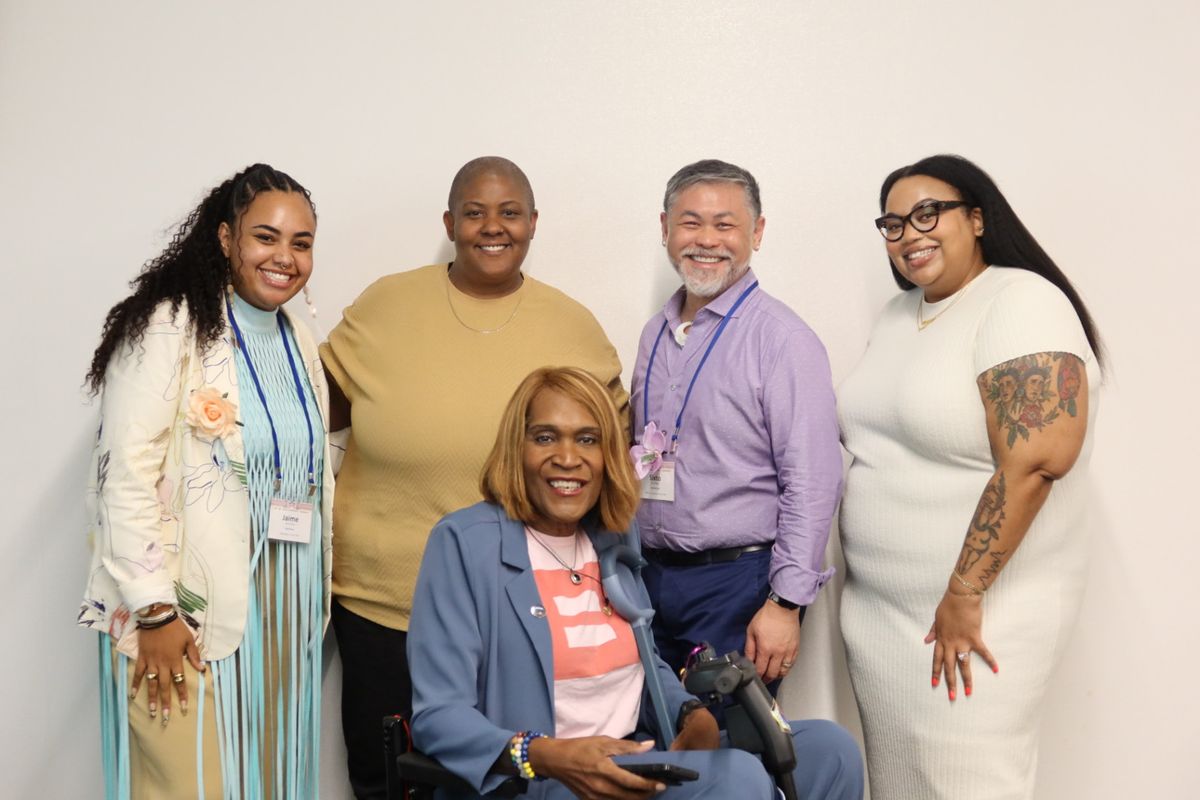
Third Wave is led by and for the constituencies we serve because there can be nothing about us without us. We believe that lived experience generates wisdom, creativity, and expertise. So we graciously thank our passionate staff of 19 existing across the diasporas of gender, ethnicity, ability, and location for their brilliance and labor.
Additionally, we thank our Advisory Council of eight brilliant community members that provide us with strategic guidance on our path towards resourcing justice and liberation work.
We also thank our grantee partners, Fellows, and advisors for holding us accountable and in lock step with our movements.
And last, but certainly not least, thank you to our donors, funders, supporters, and amplifiers who make Third Wave Fund’s resourcing work possible.
Feeling inspired?
To upend traditional philanthropy and radically resource our movements, we need everyone! To learn more about ways to contribute, contact our Development team at fundraising@thirdwavefund.org, or make a donation today.